Blog
Our digital marketing blog
Digital Marketing: Your Guide to Online Success
This blog offers you the latest digital marketing strategies, tips and trends to boost your business online. Learn about SEO, social media, email marketing and much more. Become a digital expert!
_thumbnail.png)
In the world of e-commerce, every second counts. Online store ranking increasingly depends on offering a fast, stable, and intuitive experience. This is where Core Web Vitals come into play, a set of key metrics that Google uses as a ranking factor and that directly influence the visibility of your e-commerce site.
Below, from Click Online 360, an SEO agency with extensive experience in eCommerce projects, we explain why these metrics can make the difference between an online store that sells... and one that doesn't take off.
What are Core Web Vitals and why do they matter for SEO?
Core Web Vitals are three metrics that measure a website's performance in key aspects of user experience:
-
LCP (Largest Contentful Paint) : Measures how long it takes for the largest visible content (such as a main image or banner) to load. An optimal value is less than 2.5 seconds.
-
INP (Interaction to Next Paint) : This replaces the FID metric since March 2024. It evaluates the responsiveness of the entire session, not just the first click. It must be under 200 milliseconds.
-
CLS (Cumulative Layout Shift) : Measures unexpected changes in the layout while the page loads. A good value is less than 0.1.
For any online store, these metrics are crucial. A poor score can lead to user frustration, abandoned shopping carts, and lost sales. It also negatively impacts your online store's ranking in Google search results.
How to measure your online store's Core Web Vitals
There are tools to understand the status of your website, which allow you to analyze your URL and view both laboratory and real-world metrics using data from Chrome users.
Additionally, web audits show you detailed LCP, INP, and CLS values and offer personalized technical recommendations.
At Click Online 360, we use various tools to accurately analyze each eCommerce store and prioritize the actions that truly improve performance and conversion.
Steps to improve Core Web Vitals and boost your online store
1. Audit your site
A technical website audit will allow you to get a clear breakdown of critical points, without the need for advanced development knowledge. This will allow you to make data-driven decisions.
2. Optimize heavy images and resources (improve LCP)
Most loading times come from poorly optimized images. Use formats like WebP, enable lazy loading, and compress your files. If you work with WooCommerce or Shopify, there are plugins that automate this process.
3. Reduce main thread blocking (improves INP)
Minimize unnecessary JavaScript scripts, load files asynchronously, and prioritize essential resources. Lower latency translates into a better user experience... and improved online store rankings.
4. Avoid unexpected movements (CLS improvement)
The trick is to reserve the space that elements like images, sliders, or ads will take up. Use fixed values in your CSS and you'll prevent the design from "jumping" while loading.
5. Activate caching and use a CDN
Especially if you have customers in different locations, a CDN reduces load times worldwide. Additionally, browser caching speeds up the experience for returning users.
Click Online 360: Technical SEO experts for online stores
At Click Online 360, we specialize in improving online store rankings from a technical, strategic, and data-driven perspective. Our approach combines SEO auditing, Core Web Vitals analysis, performance improvement, and continuous optimization to achieve what every online store desires: more traffic, more conversions, and more sales.
We work with e-commerce businesses of all sizes, adapting strategies to the real needs of each digital business.
Speed, stability and experience = better positioning
Core Web Vitals are much more than numbers: they reflect how a user experiences your online store. Improving them means offering a smooth, reliable, and fast shopping experience, which not only improves conversions but also improves your online store's search engine ranking.
Remember: every millisecond counts. And in eCommerce, the difference between success and abandonment is often decided by the first click.
_thumbnail.png)
Google updates are one of the most decisive factors for web positioning. If you've noticed a drop in traffic to your site in recent weeks, you've likely been affected by the latest algorithm update.
Below, we explain how to identify the impact, what you can do to adapt, and how Click Online 360 , an SEO agency with extensive experience in the sector, can help you recover and emerge stronger.
What are Google updates?
Google constantly makes improvements to its algorithm to provide more relevant and useful results to users. Some updates are minor, but others, known as Core Updates , can completely change the way websites are evaluated. These updates affect factors such as content quality, user experience, and domain authority.
Signs that your website has been affected by an update
- Sudden drop in organic traffic.
- Lower visibility in main keyword rankings.
- Decrease in the number of leads or conversions.
- Changes in user behavior on your site (more bounce, less time spent).
If you notice any of these symptoms, your site likely needs an audit to identify which areas are no longer compliant with Google's new requirements.
How to recover after an update: the essential checklist
1. Evaluate the quality of the content
One of the main goals of Google updates is to reward original, useful, and relevant content.
- Originality and value : Avoid duplication. Each piece of content should precisely address a specific search intent.
- Depth and relevance : Don't write just to rank, but to address real questions. Comprehensive content always has an advantage.
- Constant updating : Keep your texts up-to-date. An outdated article loses authority.
2. Strengthens the user experience (UX)
Google prioritizes sites that offer comfortable and pleasant navigation.
- Responsive design : Your website should look perfect on all devices.
- Loading Speed : Optimize images, scripts, and hosting so your site loads in less than 3 seconds.
- Intuitive navigation : Clear menus, well-structured links, and logical visual hierarchy.
3. Improve the technical aspects of SEO
The technical part remains essential after each Google update .
- Clean URLs : That explain the content without strange characters.
- Well-implemented tags : Correctly use H1, H2, meta descriptions and ALT tags in images.
- Sitemap and robots.txt : Make sure bots can crawl and index your site without hindrance.
4. Prioritize EEAT (Experience, Expertise, Authority and Trust)
Starting in 2023, Google will place more emphasis on EEAT, rewarding sites with credibility.
- Clear authorship : Indicate who signs the content and why they are an expert on the subject.
- Reliable sources : Provides data backed by recognized entities.
- Reviews and Testimonials : Showcase real customer reviews to reinforce your authority.
5. Monitor and analyze performance
You can't improve what you don't measure.
- Google Search Console : Identify indexing errors, traffic drops, and new opportunities.
- Google Analytics : Study user behavior and adjust your strategy.
- SEO Audits : Conduct periodic reviews with experts to detect weaknesses and correct them.
6. Follow Google's official guidelines
- Avoid bad practices : No keyword stuffing, cloaking, or purchased links.
- Focus on the user : Content should be designed to address real needs, not to manipulate rankings.
- Always stay informed : Follow official and specialized sources such as the Search Central blog or the Google Updates channel.
Why trust Click Online 360 for your SEO recovery?
At Click Online 360, we've been helping companies achieve stable and lasting rankings for years, even after the most demanding Google updates . Our team of SEO experts conducts comprehensive audits, redesigns strategies, and supports you step by step to help your website rise again in the rankings.
We believe in sustainable SEO, based on data, strategy, and experience. And above all, we believe that every project is unique and deserves a customized solution.
Google updates can cause uncertainty, but they're also an opportunity to improve. If you've noticed a drop in your metrics, don't panic. Review your site, adjust your content, improve the user experience, and seek the support of an experienced SEO agency like Click Online 360. Only then will you be able to recover and regain your strong positioning.

Nowadays, optimizing advertising campaigns has become a decisive factor for brand success. One of the most powerful and dynamic platforms for reaching your target audience is Meta Ads (formerly Facebook Ads). But how can you take your results to the next level? The answer lies in artificial intelligence (AI) and automation.
Recommendations from our expert Meta Ads agency
In this article, based on our experience as a Meta Ads expert agency , we'll share key strategies for optimizing your campaigns using the latest AI and automation tools. Get ready to maximize your return on investment (ROI) and improve your ad performance!
- Understanding the Role of AI in Meta Ads
Artificial intelligence has revolutionized the way advertising campaigns are managed. Meta uses advanced machine learning algorithms to analyze vast amounts of data, identify patterns, and optimize ad delivery in real time.
Benefits of AI in Meta Ads:
- Precise segmentation: AI identifies audiences most likely to convert.
- Automatic optimization: Adjusts bids and budget allocation based on performance.
- Personalization at scale: Create more relevant and tailored advertising experiences for each user.
- Implement Automated Campaigns
Meta Ads offers several automated tools that simplify campaign management and optimization. Taking advantage of these features can save you time and improve the effectiveness of your ads.
Key Strategies:
- Advantage+ Campaigns : Use this option to optimize ad delivery and automatically find the most valuable audiences.
- Campaign-Level Budget Optimization (CBO) : Let AI allocate your budget across different ad sets based on their performance.
- Automated bidding: Use the "Maximum Cost per Result" strategy to maximize conversions at the most efficient cost.
- Using Dynamic Creativity
Content is the heart of any advertising campaign. Meta Ads' dynamic creative allows you to display different combinations of images, videos, headlines, and descriptions based on user behavior and preferences.
Good Practices for Dynamic Creativity:
- Diversify your assets: Create multiple versions of your ads with different messages and visual formats.
- Test and learn: Analyze which combinations perform best and adjust your strategy.
- Automate A/B testing: Use AI to efficiently compare ad variants.
- Leverage Advanced Segmentation
Precise targeting is essential to reaching the right people at the right time. Meta Ads offers advanced options that allow you to reach your ideal audience automatically.
AI Segmentation Strategies:
- Lookalike Audiences: Create audiences that resemble your most valuable customers.
- Custom Audiences: Segment users based on their interaction with your website, app, or content.
- Conversion Event Segmentation: Leverage conversion data to dynamically adjust your targeting.
- Monitor and Optimize in Real Time
Automation doesn't mean "set it and forget it." It's crucial to monitor your campaigns in real time and make continuous adjustments.
Monitoring and Analysis Tools:
- Meta Business Suite: Centralize the management and analysis of your campaigns.
- Automated Alerts: Set up notifications to detect fluctuations in performance.
- Custom Reports: Use custom dashboards to analyze key KPIs like CPA, ROAS, and CTR.
- Optimize the Conversion Funnel
AI not only improves ad delivery, it also optimizes every stage of the conversion funnel. From impression to sale, automating user tracking is essential to maximizing results.
Recommendations for the Funnel:
- Automated Retargeting: Re-engage users who didn't complete a conversion.
- Attribution Models: Use data-driven attribution to understand which channels drive sales.
- Customer Journey Personalization: Use AI to tailor messages based on user behavior.
- Staying Up to Date with Meta Ads News
The Meta ecosystem is constantly evolving. Staying up-to-date with the latest automation and AI features is vital to maintaining a competitive advantage.
Update Sources:
- Meta for Business Blog : Regular review of official updates.
- Meta Advertiser Community: Participate in forums and webinars.
Why you should hire an agency that specializes in Meta Ads
Optimizing your Meta Ads campaigns with AI and automation isn't an option; it's a necessity in today's digital environment. From precise targeting to budget optimization and dynamic creative, Meta tools enable brands to achieve their goals more effectively.
At our digital marketing agency , we have the experience and tools to help you implement these strategies effectively. If you want to take your Meta Ads campaigns to the next level, contact us today and find out how we can help you maximize your results!
The future of digital marketing is automated and powered by AI! Harness its potential to stand out in the market!
_thumbnail.png)
Identifying an SEO penalty on a website is crucial to maintaining visibility and search engine rankings. Detecting any problems early can prevent significant traffic loss and potential penalties that could impact a company's digital reputation.
What is an SEO penalty?
An SEO penalty is the action Google or other search engines take when they detect that a website has violated their quality guidelines. These penalties can be manual, when a Google employee reviews and penalizes the site, or algorithmic, when the algorithm automatically detects irregular practices.
Main current failures that can lead to penalties
1. Duplicate Content
Duplicate content is one of the most common errors that can lead to SEO penalties. Google prioritizes original and valuable content, so copying text from other pages or repeating internal content can negatively impact rankings.
To solve this problem, as an SEO agency , at Click Online 360 we conduct content audits and use tools to ensure that the content is unique.
2. Excessive Use of Keywords (Keyword Stuffing)
Artificially including the keyword too many times in the content can be interpreted as manipulative.
To achieve this, our department considers keyword density between 1% and 2%, ensuring that the writing is natural and provides value to the user.
3. Low Quality Links
Inbound links from untrustworthy or spam sites can negatively affect a website's authority.
One of the tasks Click Online 360 performs with its clients is disavowing toxic links, so that they don't affect the page's web positioning.
4. Hidden Content
Including hidden text or links with the intent to manipulate rankings may lead to a manual penalty.
It's important to review the source code and ensure that all content visible to search engines is also visible to users.
5. Slow Loading Time
Websites with long loading times may be penalized, as they negatively impact the user experience.
At Click Online 360, we employ various techniques to improve website loading, such as image optimization, lazy loading, and improving server speed.
Tips to avoid penalties in the future
- Create original and valuable content for users.
- Maintain a well-organized internal link structure.
- Conduct regular SEO audits to identify potential issues.
- Avoid any Black Hat SEO practices.
- Update old content to keep it relevant.
Why choose Click Online 360 as your SEO agency?
At Click Online 360, we are committed to boosting your business's success through cutting-edge SEO strategies . We have a team of expert professionals who have taken small and large businesses to the top of search results. We increase your visibility, boost your growth, and boost your company's profitability.
Identifying an SEO penalty on a website is essential for protecting your website's online ranking and reputation. By understanding the main errors that can lead to penalties and implementing effective solutions, you can recover lost traffic and strengthen your digital presence. With an SEO strategy based on best practices, you can avoid future penalties and maintain sustained growth.

In a world where the urgency for sustainability is becoming increasingly evident, every action, however small, counts. Citizen awareness is the driving force behind change towards a more responsible future for our planet.
At ClickOnline we firmly believe in this premise and we are committed to the Sustainable Development Goals (SDG). How can we, from digital marketing, contribute to this cause? The answer is simple: using our power of diffusion and adapting our daily practices.
Dissemination: the key to awareness
Digital marketing gives us powerful tools to reach a mass audience and amplify the message of sustainability. Through:
- Informative content: We create articles, infographics and videos that clearly and concisely explain the environmental challenges we face and how we can contribute to solving them.
- Social media campaigns : We use platforms like Facebook, Instagram and Twitter to spread messages that inspire action and promote sustainable habits.
- Interactive Activities : Learning and Playing
- Daily Practices : Leading by Example
 Beyond dissemination, at ClickOnline we integrate sustainability into our own daily practices . Because we believe that change starts at home:
- We reduce paper consumption : We prioritize digital communications and cloud storage.
- We minimize travel: We opt for virtual meetings whenever possible.
- We promote teleworking : We facilitate work-life balance and reduce the carbon footprint associated with travel.
- We use renewable energy : We supply our offices with green energy.
A call to action
We know that the path to sustainability is a marathon, not a sprint. But every step we take, however small, brings us closer to the goal.
At ClickOnline we invite you to join this movement. Together, we can build a greener and more equitable future for all.
Are you up for the challenge?

Google has implemented a series of changes, known as the Anti-Scraping Update, that make it harder to automatically extract data from its search results. This has a direct impact on SEO tools that use this information to analyze the performance of a website and its competitors.
Why did Google do this?
Google argues that massive data scraping overloads its servers and can affect the accuracy of search results. It also seeks to prevent manipulation of its algorithm through automated queries. In short, Google wants data to be accessed through its official platforms, such as Google Search Console and Google Analytics.
How does this affect SEO?
Google's changes have created several problems for SEO professionals:
- Outdated data: SEO tools may have difficulty obtaining up-to-date data, which affects their analytical capabilities.
- Increased costs: Using new techniques to circumvent Google restrictions can increase operating costs.
- Less access to competition: It becomes difficult to monitor the positioning strategies of other websites.
What can be done to adapt to these changes?
Despite the challenges, there are strategies to continue obtaining valuable information without relying on traditional scraping:
- Use official Google tools: Google offers tools like Search Console, Google Ads API, and Google Trends that provide reliable, official data.
- Use more advanced scraping techniques: You can use tools that simulate human navigation and can render pages with JavaScript, which is one of Google's requirements for accessing its results.
- Use rotating proxies and distributed networks: These services allow your IP address to constantly change, making it difficult for Google to block you.
- Diversify data sources: It's important not to rely solely on Google and instead use other sources of information, such as social media and other data analysis tools.
The future of SEO
SEO is evolving toward greater integration with official Google tools and the use of artificial intelligence. The Anti-Scraping Update forces SEO professionals to innovate in data collection and make the most of available information sources.
The Google update represents a challenge, but also an opportunity to improve SEO strategies. Adapting to these changes and utilizing new techniques will allow businesses to continue gaining valuable insights and maintaining strong rankings in search results.
SEO consulting and strategy with Click Online 360
At Click Online 360, we understand that SEO is a constantly changing environment, where the rules evolve ever more rapidly. Our team of experts is ready to advise you and develop effective strategies that allow you to take advantage of every new opportunity and overcome any restrictions.
Don't let Google changes hold you back: with our help, you can stay ahead and ensure your business always stays ahead in search engines.

In today's fiercely competitive digital world, standing out from the crowd is crucial. And this is where organic SEO comes in—your best ally for achieving sustainable and consistent online success.
Think of your website as a seed. If you plant it in fertile soil and nurture it with dedication (SEO), it will grow strong and healthy, bearing fruit in the long run. Shortcuts (like buying traffic) may seem tempting, but they're like artificial fertilizers: they produce quick, but short-lived, and often harmful results.
Why is organic SEO so important?
Visibility : Good SEO positions you at the top of search results, increasing the visibility of your website.
Qualified traffic : Attract users who are truly interested in what you offer.
Credibility : Appearing at the top of Google generates trust and authority.
Profitability : Unlike paid advertising, organic SEO offers long-term results at no direct cost.
Better user experience : An SEO-optimized website is easier to navigate and offers a better user experience.
![Organic SEO is the key to online success!]() How to build a solid organic SEO strategy?
How to build a solid organic SEO strategy?
 How to build a solid organic SEO strategy?
Keyword Research : Identify the keywords your target audience uses to search for information related to your website.
On-page Optimization : Optimize your website content (titles, descriptions, images) using relevant keywords.
Link building : Get quality links from other websites relevant to yours.
Quality content : Create original, useful, and relevant content that meets your audience's needs.
Technical SEO : Make sure your website is optimized for search engines (loading speed, structure, etc.).
Analysis and tracking : Monitor the performance of your SEO strategy and make adjustments to continuously improve.
Remember, organic SEO is a marathon, not a sprint. It takes time, effort, and patience, but the results are worth it.
Ready to reap the benefits of organic SEO? Contact us today and we'll help you grow a strong and sustainable online presence!

In the world of digital marketing, reaching the right audience is crucial to the success of any campaign. And when it comes to Meta Ads (Facebook and Instagram), segmentation is the key to unlocking their full potential. As a digital marketing agency, we understand the importance of precise segmentation to optimize our clients' return on investment (ROI).
This article will explore advanced targeting strategies in Meta Ads that go beyond the basics, allowing you to target your ideal audience and achieve exceptional results.
-
Interests and behaviors in Meta Ads:
While demographic targeting (age, gender, location) is a good starting point, advanced Meta options allow you to dig deeper into your audience's interests and behaviors.
Interests: Explore the pages they like, the topics they follow, and the activities they do on Facebook and Instagram.
Behaviors: Analyzes your past purchases, device usage, ad interactions, and other online activities.
By combining this data, you can create highly targeted audience profiles. For example, a sportswear retailer could target people interested in fitness, yoga, and healthy eating who have also made online purchases in the last month.
-
Custom Audiences in Meta Ads:
Custom audiences allow you to reach people who have already interacted with your business. You can create them from:
Customer Lists: Upload your email or phone number database to build an audience of people who already know your brand.
Website Traffic: Use the Facebook pixel to track your website visitors and create audiences based on pages visited, time spent, or actions taken.
Social Media Engagement: Create audiences based on users who have interacted with your posts, ads, or your Facebook/Instagram page.
Custom audiences are ideal for remarketing, loyalty campaigns, or reaching new customers with similar interests to existing ones.
-
Similar audiences in Facebook Ads
Lookalike audiences allow you to find new customers with similar characteristics to your best customers. Meta uses its algorithm to identify patterns in your custom audiences and find users with similar profiles.
Imagine you have a custom audience of customers who have purchased your premium products. You can create a lookalike audience from that list to reach new users with a high probability of becoming high-value customers.
-
Location targeting
Location targeting allows you to target people in specific geographic areas. You can define the reach of your ads by country, city, zip code, or even the area surrounding your business.
This option is ideal for businesses with a physical presence or for campaigns with a specific geographic focus. For example, a restaurant can promote its daily menu to people within 2 km of its location.
-
Combining targeting options in Meta Ads
The real magic of segmentation in Meta Ads lies in the ability to combine different options to create ultra-specific audiences.
For example, you can combine a custom audience of website visitors with specific interests and a specific geographic location. This would allow you to show highly relevant ads to a very specific group of people, maximizing the effectiveness of your campaign.
-
Exclusions
Just as important as defining who you're targeting is defining who you don't want to target. Exclusions allow you to refine your audience and avoid showing your ads to people who aren't relevant to your business.
For example, if you're promoting an online course for beginners, you can exclude people who have already purchased your advanced courses.
-
Testing and optimization
There's no magic formula for perfect segmentation. The key is constant experimentation. Create different segmentation combinations, analyze the results, and make adjustments to optimize the performance of your campaigns.
Conclusion:
Advanced targeting strategies in Meta Ads allow you to reach the right audience with the right message, maximizing the impact of your campaigns and the ROI of your investment.
As a digital marketing agency, we help you define the best segmentation strategies for your business, using tools and data analysis to achieve your marketing goals. Contact us to find out how we can help you boost your growth!

In the world of digital marketing, it's increasingly important to understand how to optimize our products for online shopping platforms. Google Shopping, one of the most powerful tools for e-commerce, remains key for businesses to increase their visibility and sales. In this article, we'll explain the main factors Google considers when ranking products on its platform, based on the company's latest updates.
Google Shopping Ranking Factors: Everything You Need to Know
Google Shopping isn't just about having great products. Below, we analyze the ranking factors that directly influence how Google displays products in search results:
1. Product Data Quality
Google highly values the quality of the data provided in product feeds. Make sure information such as the title, description, price, and images are clear and accurate. This not only improves the user experience but also makes it easier for Google to understand and correctly rank your products.
2. Relevance of the Ads
Ad relevance plays a key role. Google uses various algorithms to analyze how well ads match user queries. Properly structuring your Google Shopping campaigns, such as proper targeting and the use of relevant keywords, is essential to standing out from the competition.
3. Competitive Prices and Offers
Price competitiveness is another determining factor. Google Shopping users look for the best value for their money, so having competitive prices can make your ad more relevant. Additionally, promotions or discounts can positively influence your product rankings.
4. Ad Performance History
The effectiveness of previous ads also influences product rankings. Google tends to prioritize those that have performed well in terms of clicks and conversions. Make sure to continually optimize your campaigns and adjust your strategies to maintain strong performance.
5. User Experience on the Landing Page
Once the user clicks on your product, the landing page experience must be flawless. Google analyzes loading speed, mobile usability, and the clarity of the information on the landing page. An easy-to-navigate website with fast loading times will improve your ranking on Google Shopping.
6. Reviews and Ratings
Product reviews are essential. Google takes into account the quality and quantity of your product reviews, as other consumers' opinions increase user trust and can boost purchasing decisions.
How to optimize your products for Google Shopping?
Now that you know the key factors that influence Google Shopping rankings, it's time to implement an effective strategy to improve your product visibility. Here are some practical tips:
- Update and optimize your product feed with the most accurate and detailed information.
- Make sure you have competitive prices and conduct comparative analysis to improve your offering.
- Improve the quality of your website experience by optimizing loading speed and ensuring it's mobile-friendly.
- Collect and respond to user reviews to build trust with potential buyers.
Want to learn more about digital marketing on our blog?
We recommend the following articles:
SEO Trends 2025: The Radical Change Coming That You Should Know About
How to Optimize Google Ads Performance Max Campaigns: A Complete Guide to Improve Your ROI

PrestaShop is a fantastic platform for creating your online store , but without a good SEO strategy, your website can get lost in the sea of internet. Don't worry, optimizing your SEO in PrestaShop is easier than you think! Follow these tips and watch your store climb the rankings on Google:
![SEO in your Prestashop e-commerce]() 1. Keywords: the basis of everything
1. Keywords: the basis of everything
 1. Keywords: the basis of everything
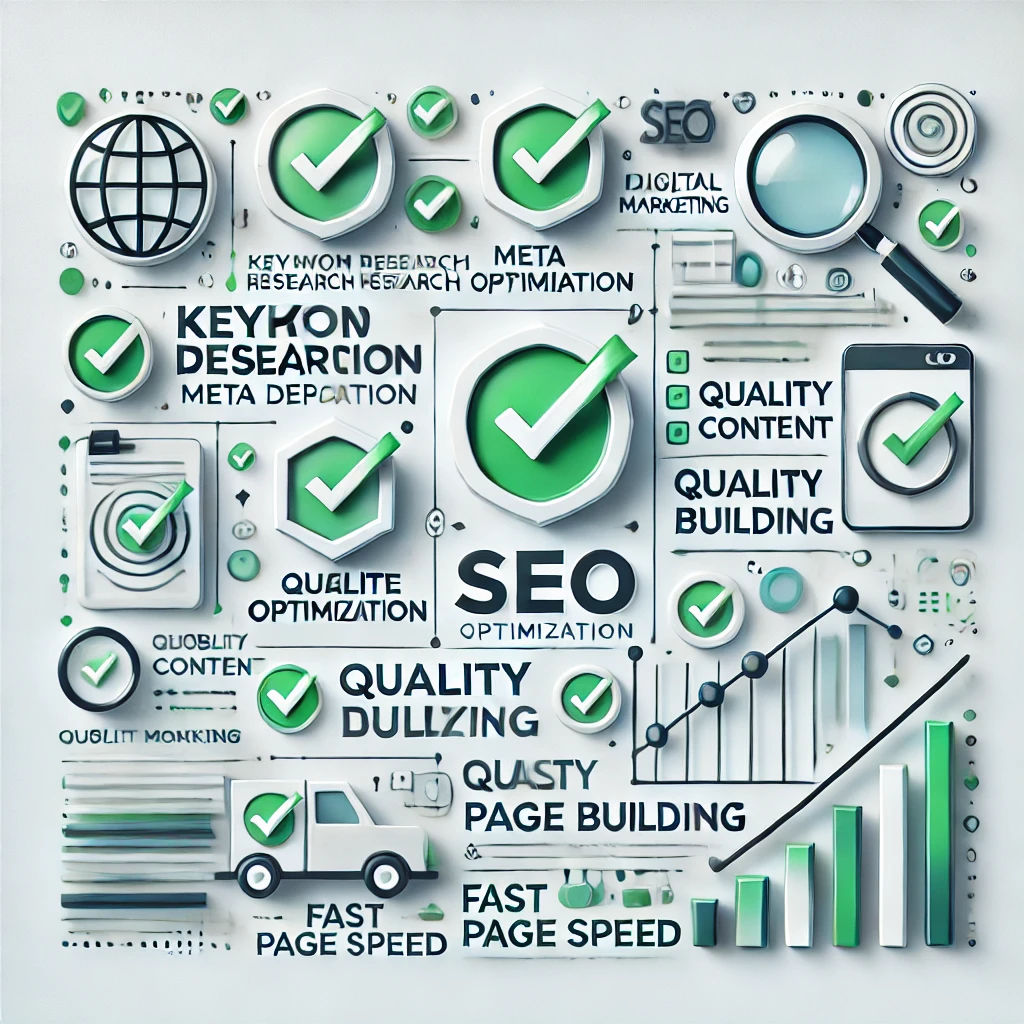
Research : Analyze what your customers are searching for. Tools like Google Keyword Planner or Semrush will be very helpful.
Implement : Use keywords in product titles, descriptions, URLs, meta descriptions, and image alt tags. But be careful not to overuse them!
Think long-tail : Don't focus solely on generic keywords. "Women's red shoes" is more effective than just "shoes."
2. Optimize your store structure
Clear categories : Organize your products into logical categories and subcategories. This makes navigation and indexing easier.
Friendly URLs : Create short, descriptive URLs that include keywords. Example: /womens-shoes/red-high-heeled-shoes
Internal links : Connect relevant pages together. For example, in a product description, link to other complementary products.
3. Create quality content
Unique descriptions : Avoid duplicate content. Write original and compelling descriptions for each product.
Blog : Create a blog with articles relevant to your target audience. This will help you position yourself as an expert and attract traffic.
Size Guide, FAQs : Provide useful information to your customers. This improves the user experience and reduces bounce rates.
4. Loading speed: a key factor
Optimize images : Reduce the size of images without losing quality.
Choose a good hosting : Slow hosting hurts your SEO.
Use the cache : Activate the PrestaShop cache to speed up the loading of your website.
Use the latest version of PrestaShop : Take advantage of the speed of the latest versions of PrestaShop! Starting with version 8, you even have a debugging tool to analyze and optimize your online store's performance.
5. SEO Modules for PrestaShop
PrestaShop has modules that will make your life easier:
SEO Expert: Automatically optimizes meta tags, URLs, and sitemaps.
Pretty URLs: Create friendly URLs.
Google Analytics: Monitor your website traffic and the performance of your SEO strategies.
Let's get to work!
Optimizing the SEO of your PrestaShop ecommerce site takes time and effort, but the results are worth it. Follow these tips and you'll see how your online store starts receiving more visitors and generating more sales!